Human Capital is the strength and depth of the people who run the company without you: the right team, a real bench, and the trust that makes them function. Collins’s Good to Great gives the sequence — first who, then what; Lencioni’s Five Dysfunctions gives the foundation — it all rests on trust.
Collins found something counterintuitive in the companies that made the leap to greatness: they did not start with a brilliant strategy. They started with people. First who, then what — get the right people on the bus, and the wrong ones off it, before you decide where to drive. Because a great destination in the hands of the wrong team is just an expensive opinion, and the right team will find a great destination on its own.
For a founder preparing to hand the company on, this is the whole game. A buyer is not really acquiring your strategy or even your product — those can be copied. They are acquiring the people who will run the thing after you walk out the door, and they read your team with a cold eye: Is there a real bench, or does every important decision still route to the founder? Would you enthusiastically rehire each leader? Can the company absorb a key departure without breaking? A thin bench is founder-dependence wearing a friendlier name, and it caps the price.
◆Under the team, the thing that makes it a team
But the right people are necessary and not sufficient, and this is where Lencioni completes the picture. You can assemble talented individuals and still have no team, because a team is built on something underneath the résumés: trust — the kind where people are willing to be wrong in front of each other. Without it, there is no honest conflict, so no real commitment, so no accountability, so the company drifts to protecting status while it quietly loses. Pull out the bottom brick and everything above it is theater.
A buyer feels this in a single meeting. They watch whether your second-in-command can finish a thought without checking your face. They notice whether disagreement happens in the room or only in the hallway afterward. A leadership team riddled with these dysfunctions is key-person risk in a suit, no matter how impressive each individual looks. A team with real trust, honest conflict, and genuine accountability is the thing that lets the company run without you — and that is precisely what commands a premium.
◆People are built, not just hired
The hopeful part is that human capital is built, not merely recruited. You raise the standard with every hire, so the team gets stronger with each addition instead of weaker. You push real decisions down with real authority, so the bench gets actual reps instead of watching you play. You build the trust deliberately — leaders going first in owning mistakes, conflict made structured instead of avoided. Do this, and you are not just filling seats; you are constructing the single asset a buyer most wants and can least manufacture: a company that runs on its people, not on its founder.
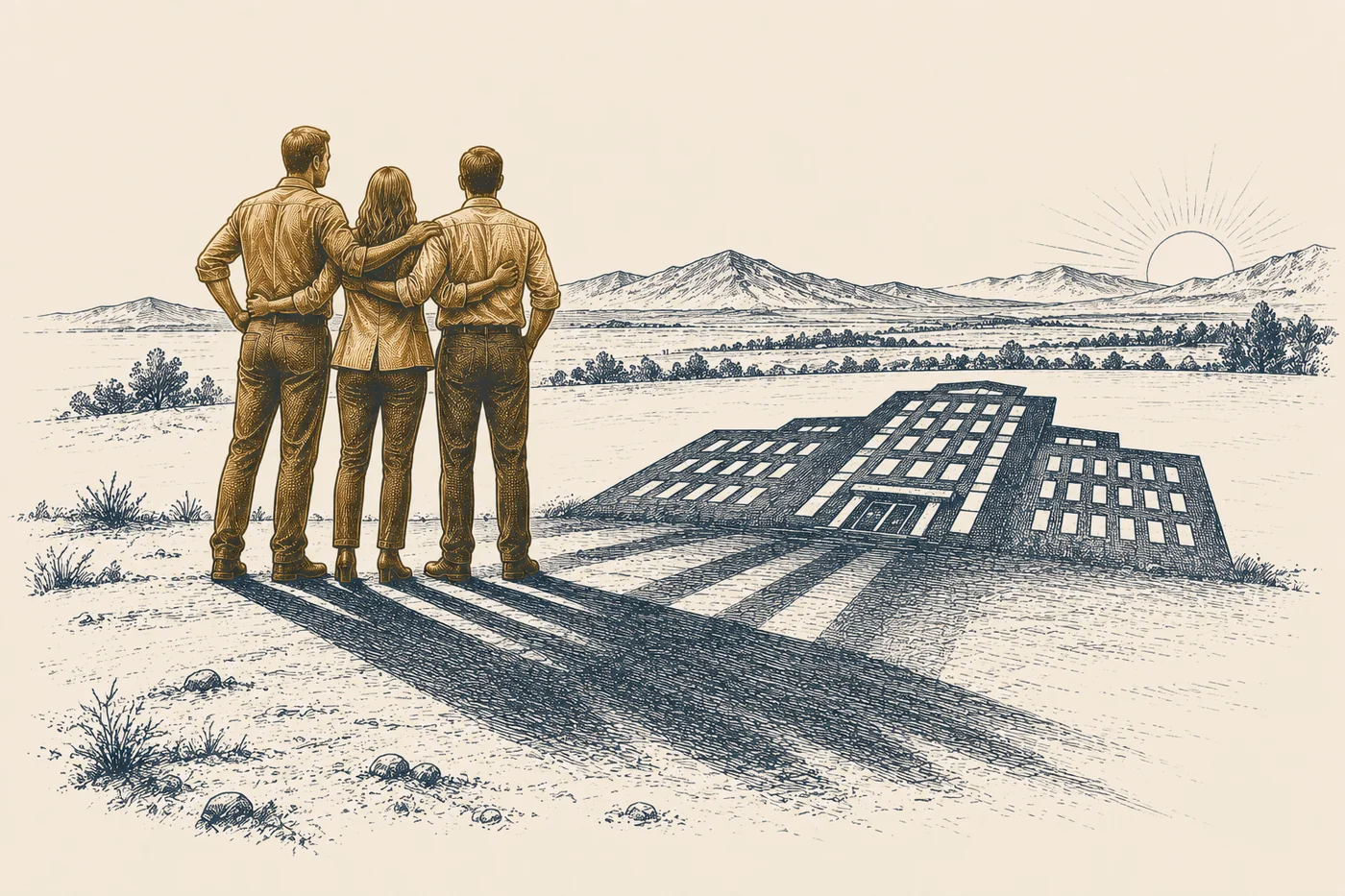
- First who, then what. The right people on the bus before the strategy on the wall.
- A thin bench is founder-dependence renamed — and buyers price the risk hard.
- It all rests on trust. Talented individuals without trust are not a team.
- People are built: raise the bar each hire, push authority down, construct the trust on purpose.