Two companies earn exactly the same profit. One sells for four times that profit; the other sells for nine. Same dollars of earnings, more than double the price. The difference is the multiple — and most founders treat it like weather, something that happens to them based on their sector and their luck. It is the single most expensive misunderstanding in the market.
The formula is not a secret: enterprise value equals earnings times a multiple. Founders obsess over the first number — grind on revenue, chase profit — and treat the second as fixed. But the multiple is where the leverage lives. Moving earnings from four million to five is a hard year of work. Moving the multiple from five turns to seven does the same thing to the price without touching the earnings at all — and unlike the earnings, the multiple can often move faster.
◆The multiple is a stack of answered questions
A multiple is not a mood. It is the market’s scorecard on a specific set of questions, and each one is worth turns. How fast are you growing? How much of your revenue recurs? How concentrated are your customers? Can the business run without the founder? Is there a moat, or a commodity? Each answer adds or subtracts from the number — and every one of them is something you can change with deliberate work.
That is what we mean when we say the multiple is built. It is not conjured by a better pitch or a hotter market. It is assembled, one driver at a time: prove the revenue is durable and earn a turn; reduce the customer concentration and earn another; build the management bench so the company no longer depends on you and earn more. Stack enough of them and the multiple re-rates — the same earnings, repriced upward, because the risk around them fell.
◆Why this is the most hopeful math in business
There is something quietly liberating in this. If the multiple were weather, you would be a passenger — at the mercy of your industry and the mood of the market. But because it is built, you are the builder. The turns are not handed out by luck; they are earned by closing the specific risks a buyer prices. Every one you close is money, and the ledger is entirely in your control.
So we do not tell founders to hope for a better multiple. We show them the drivers, we measure where each one stands today, and we build the case that moves them — until the number the market applies to your earnings finally reflects the company you actually run.
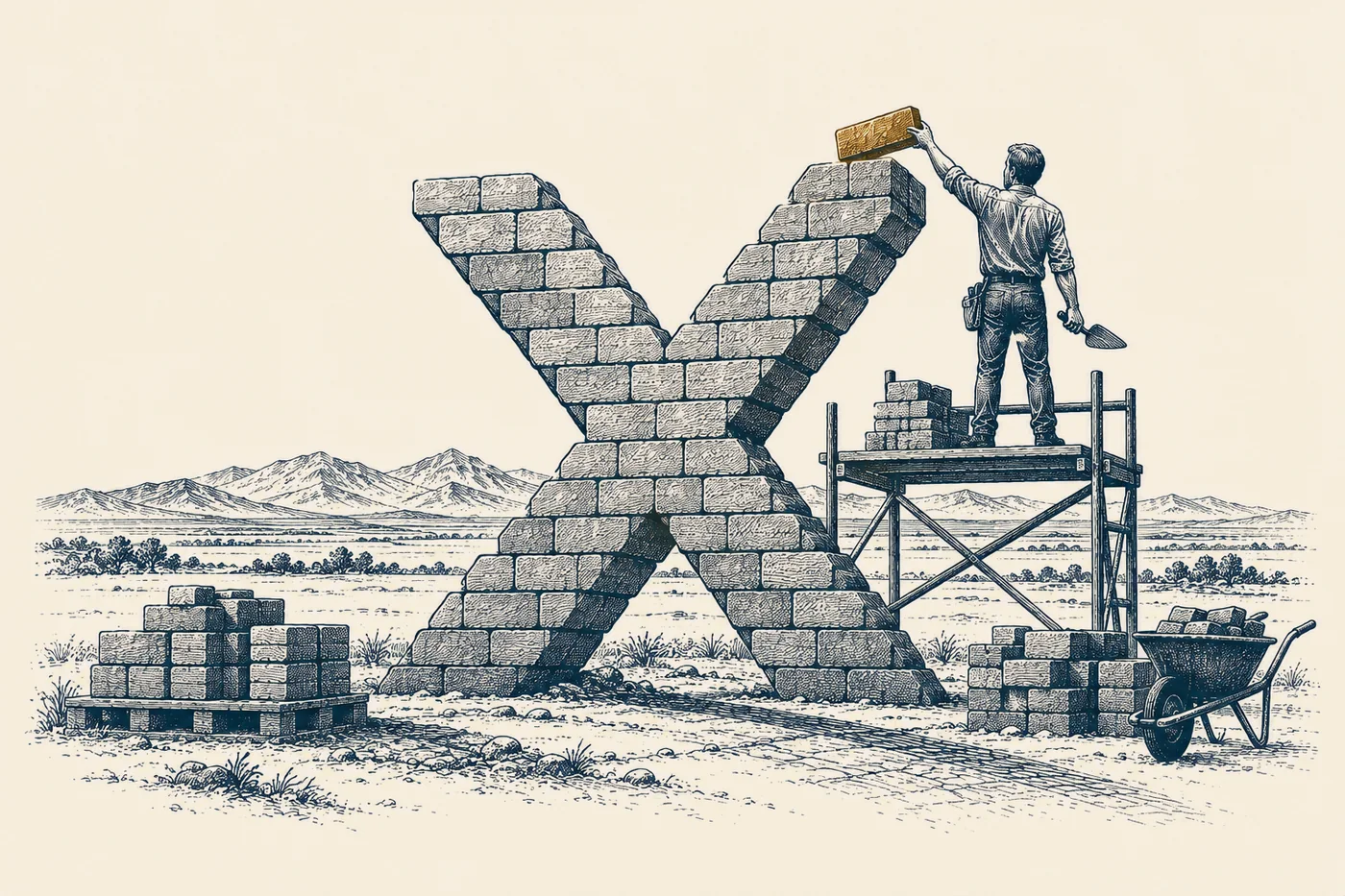
- The multiple is constructed, not conferred. Every turn traces to a driver you can name.
- Re-rating the multiple is often faster than growing the earnings — and does the same thing to the price.
- Each driver is a lever: durability, concentration, growth, moat, management depth — all movable.
- You are the builder, not the passenger. The turns are earned, and the ledger is yours.