Connors and Smith’s Results Pyramid holds that the results a company gets flow from the actions people take, which flow from the beliefs they hold, which flow from the experiences they have. To change results, you must change beliefs — and to change beliefs, you must deliver new experiences, not new demands.
Every founder who has ever tried to force a turnaround knows the futility of it: you demand better results, push the team harder, and get the same outcomes with more resentment. Connors and Smith explain exactly why. Results are the top of a pyramid, and you cannot change the top by pounding on it. You have to go down to the layer that actually produces it.
The Results Pyramid runs in one direction, bottom to top. Experiences shape the beliefs people hold. Beliefs drive the actions they take. Actions produce the results you get. So when a company is stuck at the wrong results, the real problem lives two or three layers down — in beliefs like “nothing changes around here” or “that’s not my job” or “the founder will decide anyway.” Push on results and nothing moves. Change the beliefs and the results reorganize themselves.
◆Culture is the operating system, and buyers read it
Founders tend to treat culture as decoration — values on a wall, a nice offsite. Connors and Smith treat it as the operating system that determines what actually gets done, and so do we. A company with a culture of ownership and accountability produces different results than an identical company with a culture of blame and permission-seeking, using the same people and the same strategy. The culture is not soft. It is the machine that converts effort into outcomes.
This matters enormously when a company is preparing to change hands. A buyer inherits the culture along with the assets, and a culture that only produces results when the founder is applying pressure is a liability disguised as a team. The durable asset is a culture where the right beliefs are shared widely enough that the right actions happen without anyone demanding them — including, eventually, without you.
◆New experiences, not new speeches
The practical heart of the book is this: you shift beliefs by creating new experiences, not by giving new speeches. People believe what they live, not what they’re told. Want the team to believe accountability is real? Let them experience a leader owning a failure instead of assigning blame. Want them to believe the company can change? Let them experience a promise kept. Every deliberate experience is a small deposit in a new belief, and beliefs are where results are actually decided.
So when we help a company change its game, we don’t start with a new set of targets. We start with the beliefs producing the current results, and the experiences that would replace them — because a target imposed on the old culture is just pressure, and pressure was never the thing that was missing.
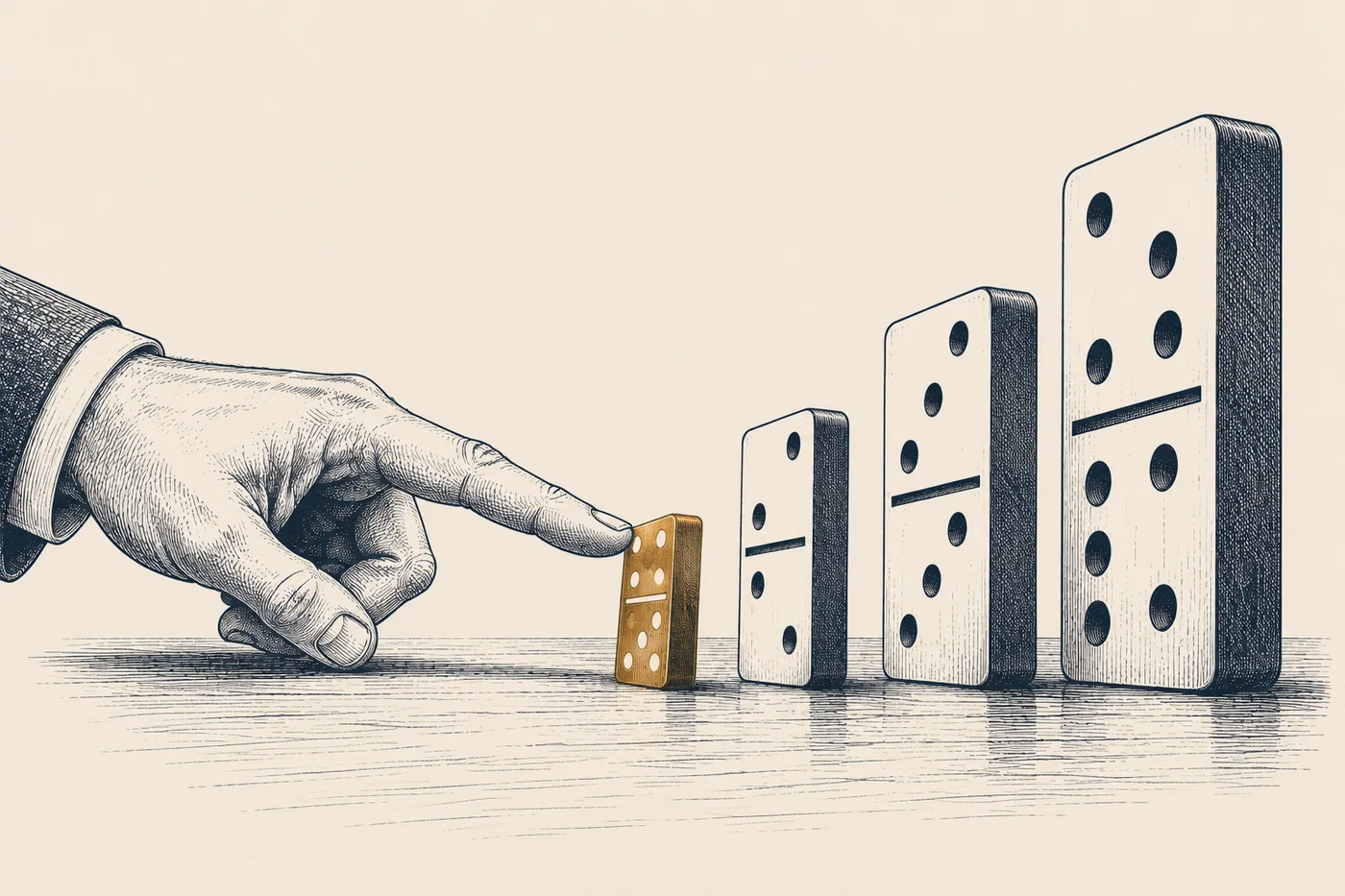
- Results sit on top of beliefs. You can’t change the top by pushing on it.
- The Results Pyramid runs upward: experiences → beliefs → actions → results.
- Culture is the operating system, not decoration — and a buyer inherits it.
- Shift beliefs with new experiences, not new speeches. People believe what they live.